Why Pediatric Eye Exams Are Essential
Children rarely complain about vision problems because they have no frame of reference for how the world should look. A child with blurred vision in one eye may assume that is normal — yet that uncorrected problem can lead to amblyopia (lazy eye), academic struggles, and permanent vision loss if left untreated.
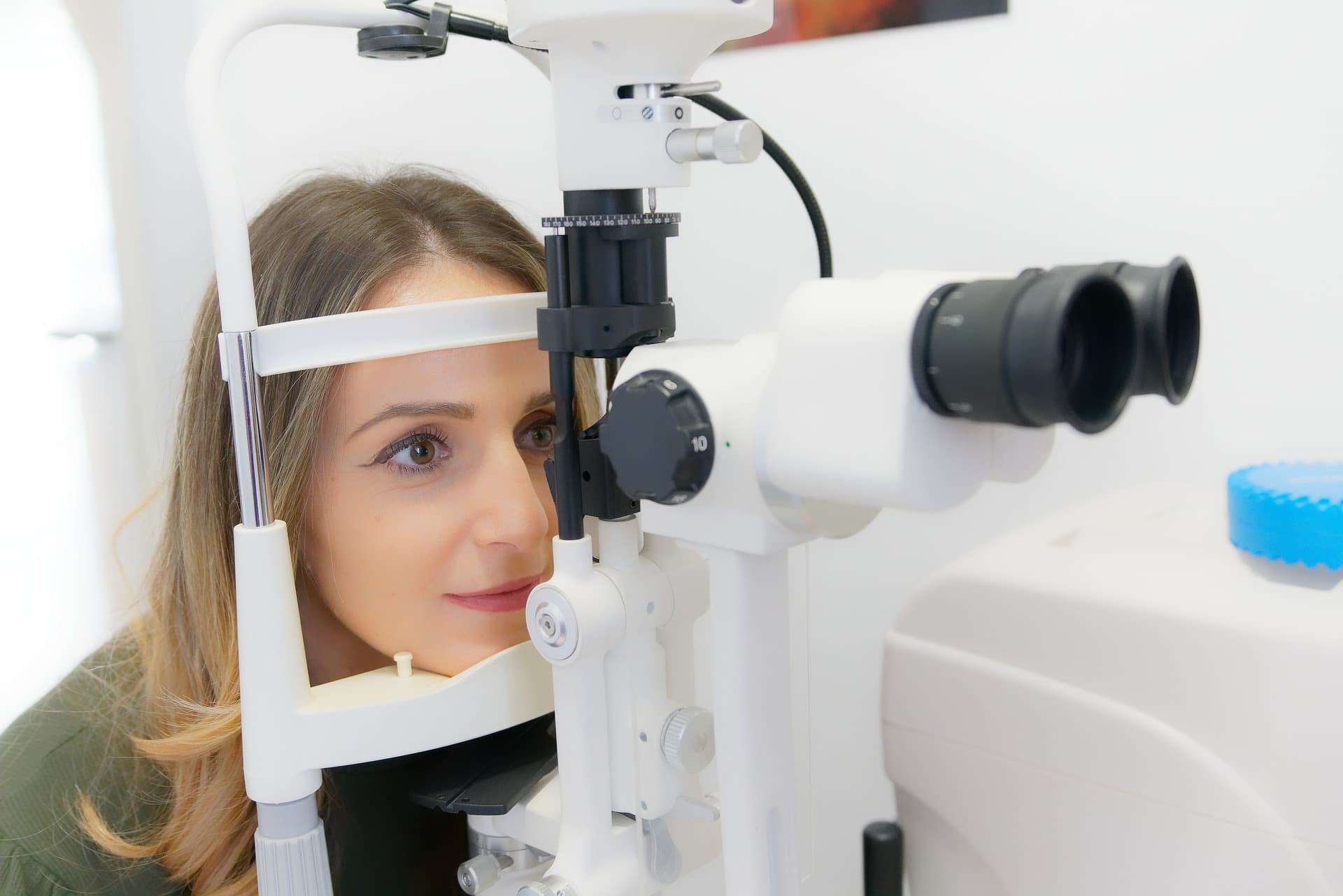
At PersonalEyes Vision Care, Dr. Patel uses age-appropriate, child-friendly techniques to evaluate visual acuity, eye alignment, focusing ability, eye tracking, and overall ocular health. We check for conditions that school screenings routinely miss — because a screening is not a substitute for a comprehensive eye exam.
Important: School vision screenings miss up to 75% of vision problems in children. Only a comprehensive eye exam can fully evaluate your child's visual system and detect conditions like amblyopia before it becomes untreatable.
What We Evaluate
Common Pediatric Vision Concerns
Amblyopia (Lazy Eye)
Reduced vision in one eye that develops when the brain favors the other. Early detection and treatment are critical — after age 7, treatment becomes significantly less effective.
Strabismus (Crossed Eyes)
Misalignment of the eyes that can cause double vision, depth perception problems, and amblyopia if not corrected during the developmental years.
Learning-Related Vision Problems
Difficulty with eye tracking, focusing, and eye teaming that mimics ADHD or learning disabilities. These issues directly affect reading, writing, and classroom performance.
Refractive Errors
Nearsightedness (myopia), farsightedness (hyperopia), and astigmatism — all common in children and easily corrected with glasses or contact lenses when detected early.
Myopia Progression
Childhood myopia is increasing rapidly. We offer evidence-based myopia control strategies to slow progression and reduce the risk of serious eye disease later in life.
Digital Eye Strain
Hours of daily screen time can cause headaches, blurred vision, and eye fatigue in kids. We evaluate focusing, binocular vision, and offer strategies to reduce strain from tablets, laptops, and phones.
Vision & Learning
How Vision Problems Affect Learning
An estimated 80% of what children learn in school is presented visually. When a child struggles with reading, writing, or concentration, the cause is often an undetected vision problem — not a lack of intelligence or effort.
- Eye tracking difficulties — losing place while reading, skipping words or lines, using a finger to follow text
- Focusing problems — blurred vision when switching between the board and desk, difficulty sustaining focus during reading
- Eye teaming issues — double vision, headaches, words that seem to move on the page
- Visual processing delays — difficulty copying from the board, poor handwriting, letter reversals beyond age 7
Dr. Patel evaluates all of these functional vision skills during your child's exam. If a vision problem is found, we provide the appropriate treatment — whether that means glasses, vision therapy referral, or a myopia management program.
Why Flower Mound Families Trust PersonalEyes
Dr. Kumar Patel is a Diplomate of the American Board of Optometry with extensive experience in pediatric eye care. He understands how to make children feel comfortable and engaged, ensuring a thorough exam even with the youngest patients.
Child-Friendly Approach
Age-appropriate techniques and a warm, patient environment make every visit comfortable for kids and parents alike.
Beyond 20/20
We test far more than visual acuity — including eye tracking, focusing, teaming, and depth perception.
Myopia Management
Evidence-based strategies to slow myopia progression and protect your child's long-term eye health.
Conveniently located at 2600 Lakeside Parkway, Suite 180, Flower Mound, TX 75022 — serving families in Flower Mound, Highland Village, Lewisville, and the greater DFW area.
Frequently Asked Questions
Pediatric Eye Care FAQ
Related Services